

How well can your doctor guide you if they don't truly know you? In a system where physicians see thousands of patients, appointments are often too brief to go beyond immediate symptoms. Concierge medicine is designed around a simple but powerful idea: a stronger doctor-patient relationship leads to better health. This model provides the time and access needed for a genuine partnership. A concierge medical doctor gets to know your health history, lifestyle, and personal goals in detail. This allows for a proactive, highly personalized strategy focused on extending your healthspan, transforming your care from a series of disconnected visits into a continuous journey toward optimal wellness.
Concierge medicine represents a fundamental shift in how we approach healthcare. Instead of the conventional model that treats symptoms as they arise, this approach focuses on building a direct, personal relationship with your physician. At its core, it's a membership-based model where patients pay a retainer fee for enhanced access and a level of personalized care that isn't possible in the traditional system. This model is built on the belief that your doctor should know you—your health history, lifestyle, and long-term goals. It moves beyond brief check-ups to create a true partnership dedicated to your lifelong wellness, transforming healthcare from a series of disconnected appointments into a continuous, proactive strategy for a long and healthy life.
The most significant difference between concierge and traditional healthcare lies in the structure of the practice itself. A typical primary care physician may have a patient panel of 2,500 people or more, making it challenging to offer more than a few minutes of their time during each visit. This high-volume model often leads to rushed appointments and a focus on immediate problems rather than long-term prevention. It’s a system designed to manage illness, not optimize wellness.
In contrast, concierge practices intentionally limit the number of patients to a few hundred. This smaller panel size allows for a dramatic change in the quality and depth of care. Appointments are longer, more thorough, and never feel rushed. Your physician has the time to listen, understand the full context of your health, and develop a truly personalized plan.
The concierge model operates on a membership fee, typically paid annually. This retainer secures your spot in the practice and covers services that fall outside of what insurance typically reimburses, such as extended appointments, comprehensive wellness planning, and direct 24/7 access to your physician. Think of it as paying for an unparalleled partnership in your health.
This membership ensures you can get same-day or next-day appointments, replacing the weeks-long waits common in traditional practices. It’s important to understand that this fee is separate from your health insurance. You will still need an insurance plan to cover external costs like specialist visits and hospitalizations. The membership fee specifically covers the personalized, high-touch concierge services and direct care that form the core of this healthcare approach.
Concierge medicine reorients healthcare around you. Instead of the brief, problem-focused visits that have become standard, this model provides a suite of services designed for comprehensive, proactive health management. The goal is to move beyond simply reacting to illness and instead build a detailed, data-driven picture of your current and future health. While the specifics can vary between practices, the services are built on a foundation of accessibility, personalization, and prevention.
This approach allows for a true partnership between you and your physician. By intentionally limiting the number of patients they see, concierge doctors have the time and resources to understand your unique biology, lifestyle, and long-term goals. They integrate advanced diagnostics with in-depth consultations to create a clear, actionable plan for your health. This isn't just about treating symptoms; it's about optimizing your wellness and extending your healthspan. The services you receive are designed to provide clarity, confidence, and a direct path toward the most invigorated version of yourself.
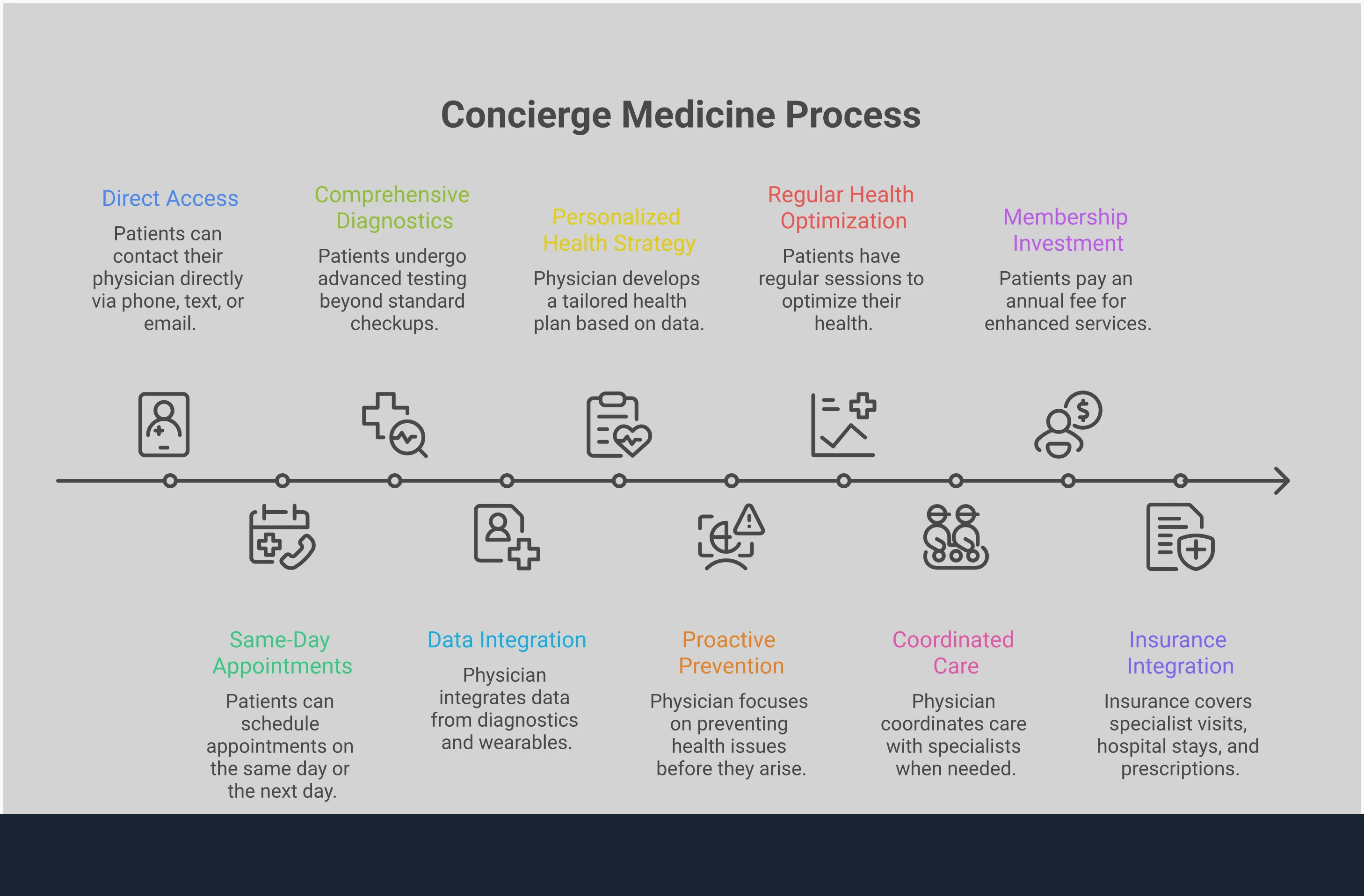
In a concierge model, time is a key component of the care you receive. Because physicians see far fewer patients than in a traditional practice, they can dedicate significant time to each appointment. You won't feel rushed through a 15-minute slot. Instead, you’ll have the space to discuss your health history, lifestyle, and any concerns in detail. This allows your doctor to move beyond surface-level symptoms and truly understand the complete picture of your well-being. This depth of understanding is the foundation of a strong doctor-patient partnership and a truly personalized care plan. It ensures your story is heard and integrated into every aspect of your health strategy.
One of the most significant distinctions of concierge medicine is direct access to your physician. When a question or concern arises outside of typical office hours, you can often reach your doctor directly via phone, text, or email. This continuity of care provides incredible peace of mind, helping you avoid unnecessary trips to urgent care or long waits for a callback. Whether it's a question about a new medication or a minor health issue that appears over the weekend, you have a direct line to a medical expert who knows you and your health history intimately. This level of accessibility makes your healthcare responsive and convenient.
The focus of concierge medicine is squarely on prevention. Rather than waiting for disease to manifest, the approach is to identify and address risk factors long before they become problems. This begins with comprehensive health assessments that go far beyond a standard annual physical. These in-depth evaluations create a baseline and inform a proactive wellness plan tailored to your specific needs. The service is designed to help you understand your body on a deeper level and make informed, strategic decisions to maintain your health for the long term, focusing on longevity and sustained wellness.
To build a truly personalized health plan, you need comprehensive data. Many concierge practices offer advanced diagnostic tools that provide a much clearer picture of your health than standard lab work alone. This can include everything from genetic testing and whole-body MRIs to cardiac imaging with AI analysis and continuous biometric monitoring through wearables. These technologies offer insights at the cellular and molecular level, allowing your physician to create a highly precise and predictive health strategy. This data-driven approach transforms healthcare from a reactive system into a proactive model for optimizing your healthspan.
When considering concierge medicine, the cost is a primary question. It’s helpful to view it not as a fee, but as an investment in a proactive, personalized healthcare partnership. Unlike the traditional fee-for-service model, concierge medicine operates on a membership basis. This structure changes the healthcare experience from reactive problem-solving to proactive health planning. The membership fee covers the enhanced access and extended appointment times that define this model, allowing your physician to maintain a smaller patient panel and dedicate significant time to your wellness goals.
The cost of concierge medicine varies significantly, reflecting the spectrum of services and access offered. Generally, annual membership fees range from around $2,000 for basic services to upwards of $20,000 for highly specialized programs. This fee grants you direct, near-constant access to your physician and their team. It covers their time for your personalized wellness plan, unrushed appointments, and proactive health management—services that fall outside the scope of a typical insurance-based visit.
Several factors determine a membership's price. The primary driver is the level of personalized care. Concierge doctors intentionally manage fewer patients than their counterparts in traditional practices. This smaller patient load is the foundation of the model, enabling physicians to offer longer appointments, 24/7 availability, and a more thorough approach to your health. The price also reflects the scope of included services, like advanced diagnostic testing, in-depth health assessments, and coordination of care with specialists, which require significant time from your care team.
It’s essential to understand that a concierge membership does not replace health insurance. The membership fee covers the direct, personalized care and access your physician provides. You will still need an insurance plan for services outside of your doctor’s direct care. As Healthline explains, insurance is necessary for hospital stays, specialist visits, major procedures, and most lab tests. You will still be responsible for co-pays, deductibles, and other out-of-pocket costs associated with your plan. This dual structure ensures you have comprehensive coverage for all health needs.
Shifting from a traditional healthcare model to a concierge practice is about more than just convenience; it’s about fundamentally changing your relationship with your health. The standard system is often reactive, designed to address symptoms as they arise. A concierge approach, by contrast, is built on a proactive foundation. It prioritizes a deep understanding of your unique biology to create a long-term strategy for wellness. This model offers a clear path away from rushed, impersonal appointments and toward a more connected, comprehensive, and personalized form of care. The primary benefits stem from this core difference, allowing for a true partnership in your health journey.
In a typical medical practice, a physician may be responsible for thousands of patients, making it nearly impossible to build a meaningful connection with any one individual. Concierge medicine intentionally limits the number of patients a doctor sees. This smaller patient panel allows for the time and space to move beyond a 15-minute symptom review. Your doctor gets to know you—your lifestyle, your family history, your personal goals, and the nuances of your story. This deeper context is critical for creating a health plan that is not only medically sound but also practical and sustainable for your life. It transforms the relationship into a true partnership built on trust and mutual understanding.
One of the most significant frustrations with conventional healthcare is the long wait for care. It can take weeks to get an appointment, only to spend more time in a waiting room. Concierge medicine eliminates these barriers. Most practices guarantee same-day or next-day appointments, ensuring that you can address health concerns as they arise, preventing minor issues from becoming major problems. This model also provides direct access to your physician via phone, email, or text. Having a direct line to your doctor for urgent questions offers invaluable peace of mind, knowing that expert guidance is always within reach. This level of concierge service puts you in control of your healthcare schedule.
The conventional healthcare system is structured to react to illness. You feel sick, you see a doctor, you get a diagnosis and treatment. Concierge medicine flips this script by focusing on proactive and preventive care. The goal is to identify potential risks and optimize your health before symptoms ever appear. This involves comprehensive health assessments, advanced screenings, and continuous monitoring to build a complete picture of your current and future health. By intervening at an earlier stage, this approach aims to extend your healthspan—the years of your life spent in good health—and not just treat disease after it has taken hold.
With more time and fewer patients, a concierge doctor can develop a truly personalized care plan grounded in data. Instead of relying on generalized health advice, your plan is built around your specific biology. This often involves integrating results from advanced diagnostics, such as genetic testing, detailed blood panels, and comprehensive imaging. Your doctor can analyze this wealth of information to create targeted strategies for nutrition, fitness, and lifestyle adjustments that align with your unique genetic predispositions and health markers. This data-driven approach ensures that your path to wellness is precise, effective, and tailored specifically to you. When you're ready for this level of personalization, you can get started on building your unique health map.
While the benefits of concierge medicine are compelling, this model of care isn’t the right fit for everyone. Making a change in your healthcare is a significant decision, and it’s important to have a clear, balanced view of what to expect. Understanding the potential downsides ensures you can choose a path that truly aligns with your financial picture, healthcare needs, and personal preferences. Before committing, it’s wise to weigh the primary considerations: the financial investment, the exclusive nature of these practices, and how the service coordinates with your existing health insurance. A thoughtful approach will help you determine if the value of a deep, proactive partnership with your physician justifies the structure of this unique care model.
The most significant difference you’ll notice with concierge medicine is the cost structure. Most practices require an annual membership fee, which covers the enhanced access, extended appointment times, and personalized attention that define the experience. This fee is a direct investment in a more proactive and preventative approach to your health. However, it represents a financial commitment that goes beyond what you might be used to with traditional insurance co-pays and deductibles. It’s essential to view this not as a simple fee-for-service but as an investment in a long-term health strategy and a close partnership with your physician. Understanding the full scope of concierge services included in the membership is key to evaluating its worth for your specific goals.
The core benefit of concierge medicine—unrushed, personal attention—is made possible by a deliberately smaller patient panel. A physician may care for a few hundred patients instead of a few thousand. While this creates an exceptional experience for members, it also means that these practices are inherently exclusive. The limited capacity ensures every patient receives the time and focus they deserve, but it can also make finding an opening at a desirable practice challenging. This model prioritizes depth over breadth, meaning that while members gain incredible access, the physician’s availability is reserved for a select few. This exclusivity is part of the design, allowing for a standard of care that simply isn’t possible in a high-volume system.
A common point of confusion is how concierge medicine works with health insurance. It’s crucial to understand that a concierge membership is not a replacement for your insurance plan. You will still need insurance to cover services outside of your primary care physician’s direct oversight, such as hospital stays, specialist visits, emergency care, and complex lab tests or imaging. The membership fee covers the personalized care and access your concierge doctor provides. Many practices still accept and bill insurance for covered medical services, but the two work in tandem. You’ll need to maintain your insurance policy to ensure you have comprehensive coverage for all potential health needs, a detail that is important to clarify when you get started with a practice.
One of the most common questions about concierge medicine revolves around insurance. It’s a practical concern, and understanding how your membership and your insurance plan work together is key. Think of it this way: your concierge membership is an investment in proactive, personalized care—the extended appointments, direct physician access, and in-depth wellness planning that standard insurance doesn't cover. Your health insurance, on the other hand, remains your foundation for traditional medical needs.
The two are not mutually exclusive; they are designed to complement each other. Your membership fee covers the enhanced services and access that define the concierge experience, while your insurance plan is still used for many conventional healthcare costs. This dual approach allows you to benefit from a deeply personal doctor-patient relationship while maintaining coverage for a wide range of medical services, from specialist visits to hospital care. It’s about creating a more comprehensive, responsive, and intelligent approach to your lifelong health.
Your concierge membership fee typically covers services that fall outside the scope of traditional insurance billing, such as longer appointments, 24/7 physician access, and comprehensive wellness planning. However, your health insurance plan is still essential. You will continue to use it for services like prescription medications, lab work, imaging scans, and referrals to specialists. When these services are ordered by your Plotline physician, the process often works just as it would in a traditional practice. Your insurance is billed directly for these covered costs, ensuring you have the support you need for your broader healthcare journey.
If you are a Medicare beneficiary, it’s important to understand how it interacts with a concierge membership. Medicare does not pay for the annual membership fee; this is an out-of-pocket expense. However, your Medicare coverage is not voided by joining a concierge practice. Medicare will continue to cover all the medical services it typically would, such as lab tests, hospital visits, and specialist care, as long as your physician follows Medicare’s billing rules. This allows you to pair the deep, proactive partnership of concierge care with the foundational coverage you have through Medicare.
Let’s be clear: concierge medicine is not a replacement for health insurance. This is a critical point and a common misunderstanding. You absolutely still need a health insurance plan to cover significant medical events that fall outside the scope of primary care. This includes things like emergency room visits, hospital stays, surgeries, and consultations with specialists. Your insurance plan is your safety net for the unexpected and for more complex health needs. Your concierge services membership enhances your primary care, it doesn't replace your overall health coverage.
Deciding to switch to a concierge medicine model is a significant choice about how you approach your long-term health. It’s a shift from a reactive system, designed to manage illness, to a proactive partnership focused on optimizing your wellness for life. This model isn’t for everyone, but for many, it provides a clear, personalized path toward the health they want. By considering your personal health goals, your relationship with your current care, and your desire for a more integrated approach, you can determine if this path is the right one for you.
Concierge medicine is particularly valuable for individuals who want to move beyond the limitations of traditional healthcare. If you feel that 15-minute appointments are not enough to address your questions or build a meaningful connection with your physician, you will appreciate the difference. This model works best for those who want to be active participants in their health journey, using the extended time and direct access to build a real relationship with their doctor. It’s ideal for busy professionals who can’t afford to wait for appointments, individuals with complex health histories seeking a comprehensive overview, or anyone who simply wants a proactive partner to help map out a strategy for a long and healthy life.
Before making a change, it’s helpful to reflect on your priorities. Start by asking yourself what you truly want from your healthcare experience. Are you looking for a physician who can help you prevent issues before they arise, or are you comfortable seeking care only when you’re sick? Consider the value you place on immediate access and unhurried, in-depth consultations. It's also important to think about the financial aspect as an investment in your future wellbeing. The most critical question may be: Are you ready to be an engaged partner in your own health? The value of concierge medicine is amplified when you actively participate in the personalized plan created for you.
Concierge medicine is a specialized approach, and the traditional healthcare system may be a better fit if your needs are straightforward. If you are generally healthy, require only occasional visits for acute issues, and feel satisfied with the level of access and care you currently receive, you may not need the intensive partnership that a concierge model provides. It’s also crucial to understand that concierge medicine does not replace health insurance. You will still need insurance to cover services like hospital care, specialist visits, and prescriptions. If your primary goal is to have coverage for major medical events rather than a proactive wellness strategy, the traditional model may align better with your needs.
Selecting a physician is one of the most personal decisions you can make for your health. In a concierge model, where the relationship is central to your care, finding the right fit is paramount. This isn’t just about finding a qualified doctor; it’s about finding a true partner for your long-term wellness journey. To make a confident choice, focus on three key areas: the physician’s background, their philosophy of care, and the practical details of their membership.
First and foremost, a concierge doctor is a physician. They complete the same extensive education and training as doctors in traditional settings, so you should expect the same high standard of medical expertise. Look for board certification in their specialty, which indicates a deep and tested knowledge of their field. Beyond the basics, consider their specific experience. Do they have a background that aligns with your personal health goals, whether that’s optimizing metabolic health, focusing on preventive cardiology, or interpreting complex genetic insights? A look at our team’s background can give you a sense of the deep expertise you should look for in a proactive health practice.
The core promise of concierge medicine is a stronger, more personal doctor-patient relationship. This is only possible if you and your physician communicate well. During an initial meeting, pay close attention to their approach. Do they listen intently to your story and your goals? Do they explain complex medical information in a way that is clear and empowering? The goal is to find a physician who sees you as a partner in your health. You should feel comfortable asking questions and confident that you have direct access to your doctor when you need guidance. This partnership is the foundation for creating a truly personalized and effective health plan.
Transparency is essential when it comes to the financial side of concierge care. The membership fee typically covers your physician’s time, availability, and a specific set of services, but it’s important to know exactly what is included. Before committing, request a detailed breakdown of the membership agreement. Does the fee cover all appointments, specific advanced diagnostics, and 24/7 communication? Ask what costs might fall outside the retainer, such as specialized lab work or consultations with other specialists. Understanding the full scope of the concierge services and any potential additional costs will ensure there are no surprises and that the model aligns with your expectations and budget.
Do I still need health insurance if I join a concierge practice? Yes, absolutely. A concierge membership is designed to work alongside your health insurance, not replace it. The membership fee covers the enhanced, direct access to your physician and the in-depth, personalized care they provide. You will still need a comprehensive insurance plan to cover costs for things like specialist visits, hospital stays, major procedures, and prescription medications.
What happens if I need to see a specialist or go to the hospital? Your concierge physician acts as the central point for your healthcare. They will coordinate your care with any specialists you need to see, ensuring that everyone involved has a complete picture of your health. This helps create a seamless experience and prevents important details from getting lost between different doctors. They manage the referrals and help you understand the next steps, serving as your dedicated partner and advocate throughout the process.
Is concierge medicine worth it if I'm already healthy? This model is especially valuable for those who are currently healthy and want to stay that way. The entire approach is built on proactive wellness and prevention, not just treating illness after it appears. By using advanced diagnostics and having in-depth conversations about your lifestyle and goals, your physician can identify potential risks long before they become problems. It’s an investment in maintaining your health and optimizing your wellness for the long term.
How is the membership fee different from just paying for individual doctor's visits? Paying for individual visits is transactional, while a membership fee establishes a long-term partnership. The fee secures your place in a practice with a limited number of patients, which allows your doctor to dedicate significant time to you—not just during appointments, but also for proactive planning and communication. It covers the continuous, personalized oversight of your health, which is a level of service that simply isn't possible in a traditional fee-for-service model.
Can I use my HSA or FSA to pay for the membership fee? This depends on the specifics of your Health Savings Account (HSA) or Flexible Spending Account (FSA) plan. While the annual membership fee itself is often not considered a qualified medical expense, some plans may allow you to use these funds for specific services billed by the practice. It is always best to check directly with your plan administrator to understand what their rules are and what expenses are eligible for reimbursement.