

We invest in our careers, our finances, and our homes, yet we often treat our health as an afterthought—something to fix only when it breaks. This reactive spending on illness is a core flaw in the traditional healthcare model. Concierge medicine reframes this entire perspective. It asks you to consider your health as your most valuable asset, worthy of a proactive, long-term investment. By paying a membership fee, you are not just buying access; you are investing in a partnership with a physician dedicated to optimizing your healthspan. The goal of doctor concierge services is to build a comprehensive, data-driven plan that identifies risks early, potentially reducing the need for costly interventions down the line.
Concierge medicine, sometimes called retainer medicine, is a healthcare model built around a direct, personal relationship between you and your physician. Instead of the high-volume, reactive approach common in traditional healthcare, concierge medicine offers a more proactive and deeply personalized experience. Patients pay a membership fee, which allows the practice to limit its patient panel significantly. This structure removes the constraints of a typical fee-for-service system, enabling doctors to dedicate more time and focus to each individual’s long-term health and wellness goals. It’s a fundamental shift from managing sickness to optimizing healthspan.
The core difference between concierge and traditional care lies in access and attention. In a traditional primary care setting, physicians often see thousands of patients, leading to short appointment times and long waits. The focus is typically on addressing immediate symptoms. In contrast, a concierge doctor sees far fewer patients, allowing for longer, more in-depth appointments and direct communication when you need it. The relationship becomes a true partnership focused on comprehensive, preventive care, moving beyond symptom treatment to understand your complete health picture through our concierge services.
The concierge model operates on a membership basis. You pay a recurring fee—typically annually or quarterly—that covers a range of personalized services not usually included in standard insurance plans. This fee grants you direct access to your doctor, extended appointment times, and a comprehensive wellness plan tailored to your unique biology and lifestyle. This structure is designed for those who want a deeper, more collaborative relationship with their physician. By integrating advanced technology and data, concierge practices can deliver more precise and personalized medical guidance, helping you get started on a clear path to optimal health.
Concierge medicine moves beyond the standard annual physical and reactive sick visits. Instead of just managing symptoms as they appear, the focus is on creating a complete, high-resolution picture of your health to inform a proactive, long-term strategy. This model is built on a foundation of deeper doctor-patient relationships, advanced data analysis, and highly personalized care plans.
The services offered are designed to provide a level of detail and support that simply isn’t possible in the traditional healthcare system. From direct, unhurried access to your physician to sophisticated diagnostic tools that can identify risks long before they become problems, every aspect is structured around prevention and optimization. This approach transforms your doctor from a problem-solver into a true partner in your lifelong wellness journey. The goal is to give you the clarity and confidence to make the best decisions for your health, backed by science and a deep understanding of your unique biology.
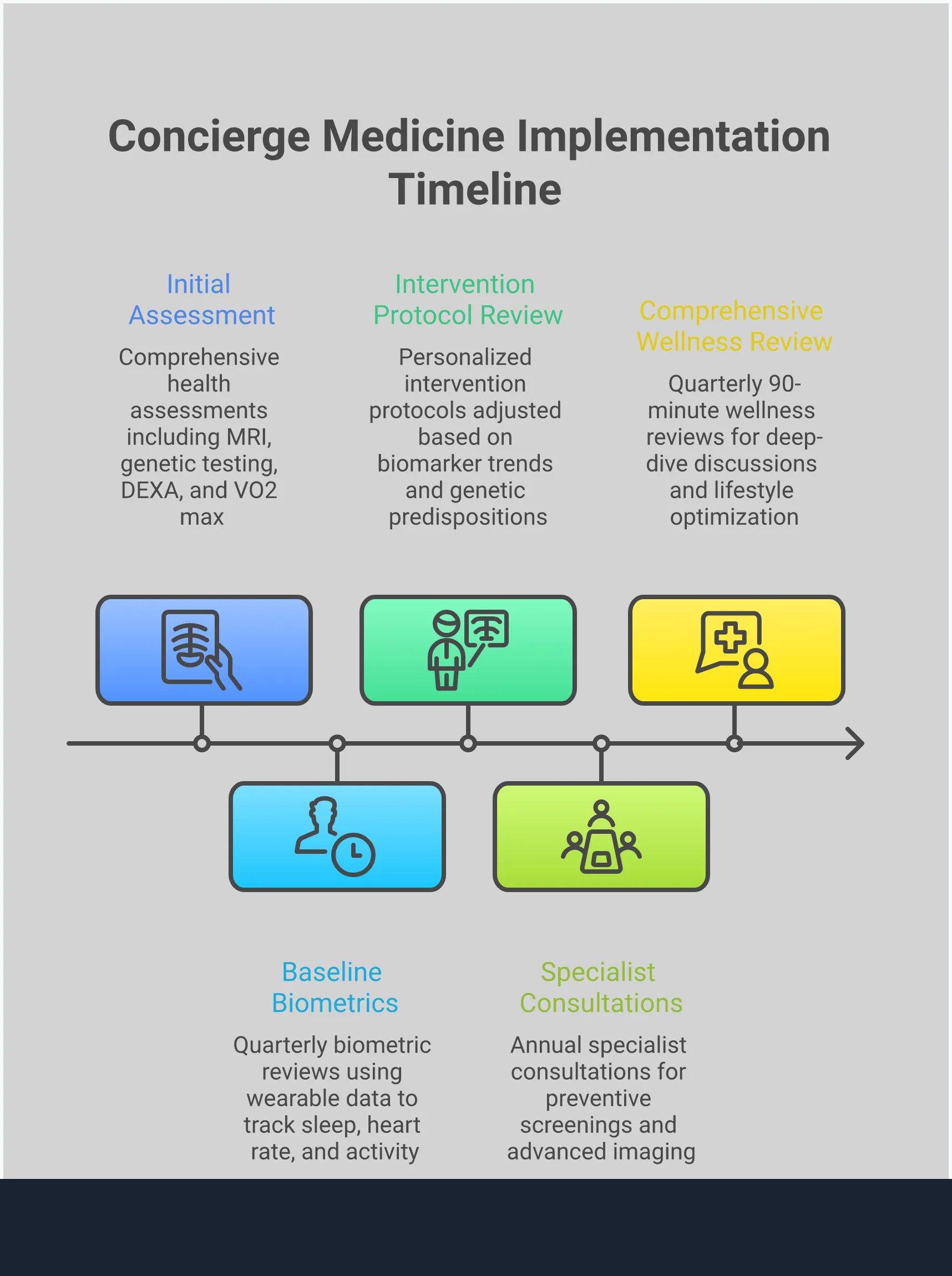
One of the most significant differences in concierge medicine is the direct and unrestricted access you have to your physician. Because concierge doctors intentionally limit the number of patients they see, they can offer a level of availability that is rare in traditional practices. This often includes same-day or next-day appointments, longer, more in-depth consultations that don't feel rushed, and the ability to communicate directly with your doctor via phone, text, or email. This open line of communication fosters a genuine partnership, allowing for continuous dialogue about your health rather than just a 15-minute check-in once a year.
Concierge practices use advanced diagnostics to build a comprehensive and data-driven understanding of your health. This goes far beyond standard lab work. These assessments often include genetic testing to understand predispositions, whole-body imaging to screen for early signs of disease, and detailed cardiac analysis. By leveraging tools like continuous biometric monitoring through wearables, your physician can gather real-time data on everything from your sleep quality to your cardiovascular fitness. This wealth of information allows for a truly precise and personalized approach, creating a health plan based on your specific biology, not just general guidelines.
With a complete picture of your health, your concierge doctor can create a truly personalized preventive care plan. Instead of receiving generic advice, your recommendations for nutrition, exercise, and lifestyle adjustments are tailored to your unique genetic makeup, current health status, and long-term goals. This proactive approach is designed to optimize your healthspan—the years of your life spent in good health. The focus shifts from simply treating illness to actively building resilience and preventing disease before it starts, giving you a clear, actionable path toward sustained wellness.
Modern concierge medicine integrates technology to make care more convenient and continuous. Through telemedicine, you can connect with your doctor for consultations from anywhere, ensuring your health plan doesn't get derailed by a busy schedule or travel. Furthermore, remote monitoring of biometric data from wearables allows your doctor to track your progress and make real-time adjustments to your plan. This blend of high-tech and high-touch care ensures you have consistent support, making your doctor a constant partner in your health journey, not just someone you see when you're unwell.
The financial structure of concierge medicine is one of its most distinct features. Instead of a system built on co-pays and complex insurance billing for every interaction, it operates on a clear, direct-to-physician membership model. This approach changes the dynamic of your healthcare investment, shifting the focus from paying for sickness to investing in long-term wellness. Understanding how the fees, insurance, and overall value work together is key to deciding if this model is the right fit for your health goals.
The foundation of the concierge model is a membership fee, typically paid annually or quarterly. This fee gives you direct access to your physician and a suite of services designed for proactive, personalized care. Think of it as a retainer for a dedicated health partner. This fee allows your doctor to maintain a much smaller patient panel, ensuring you receive unhurried appointments, direct communication, and a level of attention that’s simply not possible in a traditional practice.
The cost of membership can vary significantly, with annual fees ranging from around $1,500 for basic services to over $20,000 for comprehensive programs that include advanced diagnostics and health optimization. The specific price point depends on the depth of services offered, the physician’s expertise, and the technology involved. At Plotline, this fee covers the in-depth, data-driven approach that forms the core of our concierge services, including the time and analysis required to build your personalized health roadmap.
A common question is how health insurance works with a concierge membership. It’s important to know that the membership fee itself is not covered by insurance plans. You pay this fee directly to the practice for the enhanced access and preventive services included in your plan. For this reason, you will still need to maintain a separate health insurance policy.
Your insurance plan remains essential for medical costs outside of the membership services. This includes things like specialist visits, hospital stays, emergency care, and prescription medications. Many concierge practices can still bill your insurance for routine medical visits and procedures, just as a traditional doctor would. As Medicare explains, while it won’t pay for membership fees, it can still cover medically necessary services you receive from your concierge doctor. This dual model allows you to benefit from personalized, preventive care while keeping a safety net for broader medical needs.
When evaluating the cost, it’s helpful to look beyond the membership fee and consider the total value of the care you receive. While the upfront investment in concierge medicine is higher, the goal is to reframe your spending from reactive to proactive. This model is designed to identify and address health risks early, potentially reducing the need for expensive treatments, specialist visits, and hospitalizations down the line.
While some data suggests concierge patients may have higher initial health spending, the value is often found in the quality of care and the focus on prevention. Research has yet to show definitive long-term outcomes, but some studies indicate that patients in these models report higher satisfaction with their care. They feel heard, have a stronger relationship with their doctor, and are more engaged in their health. The investment is not just in more face time with a physician; it’s an investment in a partnership aimed at optimizing your healthspan and preventing disease before it starts.
The concierge model fundamentally changes the dynamic of healthcare. Instead of waiting for symptoms to appear and then reacting, this approach is built on a foundation of proactive, personalized care. It moves beyond the constraints of the traditional system to offer a more comprehensive and deeply engaged way to manage your health. The primary benefits stem from this shift, allowing for a health plan that is as unique as you are, a genuine relationship with your physician, and a focus on preventing illness before it starts.
In a traditional setting, health advice can often feel generic. The concierge model changes this by creating a health plan based on your specific biology. By integrating advanced diagnostics—from your genetic blueprint to continuous biometric data—we can build a precise and deeply personalized roadmap for your wellness. This isn't about simply collecting data; it's about translating it into an actionable strategy. Your concierge services plan is a living document, designed to optimize your health by addressing potential risks and opportunities identified in your unique results, helping you make informed decisions for your long-term wellbeing.
Concierge medicine is designed for those who want a deeper, more collaborative relationship with their physician. The model allows for longer, unhurried appointments and direct access to your doctor when you need them. This means your physician gets to know you—your story, your lifestyle, and your goals—not just your medical chart. This partnership is the core of effective care. When your doctor understands the full context of your life, they can provide guidance that is not only medically sound but also practical and aligned with what matters most to you. It transforms your doctor from a stranger you see once a year into a trusted guide on your health journey.
Concierge practices are often at the forefront of medical innovation, integrating new technologies to provide a clearer picture of your health. Tools like whole-body MRI, AI-assisted cardiac imaging, and continuous glucose monitoring move beyond standard lab work to offer a more complete view of what’s happening inside your body. The role of artificial intelligence in medicine is particularly powerful, helping to analyze complex data and identify subtle patterns that might otherwise be missed. This access to advanced technology allows for earlier and more precise interventions, forming the basis of a truly proactive approach to health.
The conventional healthcare system is structured to manage disease. Concierge medicine, however, is built to create and sustain health. With a greater emphasis on preventive care, the goal is to optimize your body’s systems and address imbalances at the cellular level before they become chronic conditions. This proactive stance is about extending your healthspan—the years you spend living in good health—not just your lifespan. By focusing on nutrition, fitness, sleep, and targeted interventions based on your unique data, we can work to prevent illness rather than just treating it after the fact.
While the concierge model offers a more personalized and proactive path to wellness, it’s important to understand the full picture. A transparent look at the potential challenges ensures you can make a confident choice for your healthcare. The primary considerations often revolve around the financial structure, provider networks, and some common misunderstandings about how this model works. Being aware of these aspects allows you to weigh the benefits against the practical realities of membership-based medicine.
The most significant difference from traditional care is the financial commitment. Concierge practices charge an annual membership fee for their enhanced services, which can range from a couple of thousand to over $20,000. It's crucial to understand this fee covers the direct, round-the-clock access to your physician, comprehensive wellness planning, and care coordination that defines the model. However, the costs of actual medical services—like labs, imaging, and specialist visits—are typically billed separately to your health insurance, just as they would be in a traditional practice. Think of the membership as an investment in a dedicated health partner and a proactive strategy for your long-term wellness.
The concierge model is built on fostering a deeper relationship with your physician, which is a primary strength. Because of this focus, some practices work with a curated network of preferred specialists who share a similar philosophy of care. If you have existing relationships with doctors outside that network, it’s worth discussing how care coordination is handled. A high-quality concierge team will seamlessly manage referrals and communicate with any provider you need to see, ensuring continuity. Still, it’s an important logistical point to clarify upfront to ensure your entire care team remains aligned with your health goals.
Several common misconceptions can create confusion about the value and accessibility of concierge care. One is that it’s exclusively for the ultra-wealthy. While it is a premium service, many individuals who prioritize their long-term health find the investment worthwhile for its preventive focus and potential to reduce future healthcare costs. Another concern is whether these practices maintain rigorous standards. Reputable concierge practices operate with the highest levels of professionalism, adhering to strict documentation and privacy protocols to safeguard your health information. It’s about receiving higher-touch, more personalized care, not a lower standard of it.
Deciding on a healthcare model is a deeply personal choice, rooted in your priorities, lifestyle, and long-term health goals. Traditional primary care is designed to react to illness, but what if your goal is to build a foundation for lifelong wellness? Concierge medicine offers a different path—one centered on a proactive partnership with your physician. This approach isn't for everyone, but it can be transformative for those who see their health as their most valuable asset.
If you find yourself frustrated by rushed appointments, impersonal care, and a system that only addresses problems after they arise, it may be time to consider a change. The concierge model is built to provide the time, data, and personalized attention necessary to move beyond simply managing symptoms. It’s about creating a comprehensive, forward-looking health plan. To help you decide if this model aligns with your needs, consider how it serves these specific groups.
If you believe that the best way to handle health issues is to prevent them from happening in the first place, concierge medicine is designed for you. This model fundamentally shifts the focus from reactive treatment to proactive wellness. Instead of short, infrequent visits, you gain the time and space for in-depth conversations and comprehensive assessments with your doctor. This allows for a truly preventive approach that goes beyond standard annual check-ups. It’s an opportunity to analyze your unique biology, lifestyle, and genetic predispositions to create a strategy for optimizing your health for years to come.
For busy professionals, time is a finite resource. Navigating the traditional healthcare system—with its long wait times for appointments and brief, rushed interactions—can be inefficient and frustrating. Concierge medicine addresses this directly by offering unparalleled access and convenience. You can often secure same-day or next-day appointments and communicate directly with your physician via phone or email, getting answers when you need them. This efficiency ensures that your health remains a priority without disrupting your demanding schedule, making it an ideal solution for executives and entrepreneurs who require streamlined, high-touch corporate health services.
Managing a chronic condition or a complex set of health concerns requires more than a 15-minute appointment can offer. Concierge medicine provides the extended time and consistent attention necessary to build a deep, trusting relationship with your physician. This partnership allows for a more thorough exploration of your health history, ongoing monitoring, and collaborative decision-making. With a doctor who truly knows you and your story, you can develop a nuanced, integrated care plan. This level of detailed, personalized service is essential for navigating complex health challenges and achieving the best possible outcomes.
Choosing a concierge doctor is a significant decision. It’s less about finding a physician for sick visits and more about selecting a long-term partner for your health journey. This relationship is the core of the concierge model, so it’s essential to find a provider whose approach aligns with your personal wellness goals. You are moving away from a reactive system that treats symptoms and toward a proactive strategy for a long and healthy life. The right fit means finding a physician who is as invested in optimizing your healthspan as you are, and who has the tools and philosophy to guide you. This is about building a foundation of trust with someone who will understand your unique biology and life story.
When evaluating a provider, look beyond their credentials and focus on their philosophy of care. Do they emphasize proactive health optimization, or is their practice built around reacting to illness? The goal is to find a physician who sees you as a whole person, not just a collection of symptoms. A great concierge doctor is a skilled listener who is genuinely interested in your lifestyle, goals, and personal health story. They should offer clear, straightforward communication and provide the kind of direct access that fosters a true dialogue. This partnership is built on trust and a shared commitment to your well-being, ensuring your care plan is tailored not just to your labs, but to your life.
To ensure a practice is the right fit, come prepared with specific questions that get to the heart of their model. Understanding the logistics and the doctor’s approach is critical for building a successful partnership.
Start with these questions:
Asking these questions will give you a clear picture of the patient experience and the practice’s commitment to transparency.
The diagnostic tools a practice uses reveal its commitment to data-driven medicine. Leading concierge practices integrate advanced technology to see beyond a standard annual physical, gaining a deep understanding of your unique biology. Look for a provider who offers comprehensive diagnostics like genetic testing, whole-body imaging, and continuous biometric monitoring. The use of AI tools to identify early patterns of disease risk is a key differentiator, turning routine data into a predictive roadmap for your health. This level of insight is what transforms healthcare from a reactive system into a proactive plan for lifelong wellness, allowing for interventions at the cellular level before symptoms ever appear.
As you consider this more personalized approach to healthcare, it’s natural to have questions. Let's walk through some of the most common inquiries about how concierge medicine works, from cost and insurance to finding the right physician for your needs.
The membership fee is often the biggest consideration. Concierge medicine costs can vary widely, with annual fees ranging from around $1,500 for basic services to over $20,000 for comprehensive programs with advanced diagnostics. This model is designed for those who want a deeper relationship with their physician and more direct access to care. The key is to see the fee as an investment in your long-term health. The value is realized when you actively use the expanded concierge services, from unhurried appointments to proactive health planning, to build a foundation for lifelong wellness.
Finding the right concierge doctor is about more than location; it’s about finding a true partner in your health. The ideal provider is one whose philosophy aligns with your own goals, emphasizing personalized care without the typical constraints of insurance. Look for a practice that is transparent about its pricing and clearly explains the benefits you’ll receive. A great concierge physician fosters a relationship built on trust and accessibility, giving you the confidence that you have a dedicated guide for your health journey. Learning about a practice and its team is a critical first step in making an informed choice.
It’s important to understand that a concierge membership is not a replacement for health insurance. The annual fee covers the enhanced access and personalized services your doctor provides, but it is not typically paid for by insurance plans, including Medicare. You will still need an insurance policy to cover costs outside of your primary care, such as specialist visits, hospital stays, or emergency care. Think of your concierge membership as a dedicated layer of proactive, preventive care that works alongside your traditional insurance to provide a complete picture of health coverage. When you're ready to get started, a provider can walk you through how their model integrates with your existing plan.
Once you’ve decided to explore concierge medicine, the next step is finding a practice that aligns with your health goals. A thoughtful approach to research can help you identify a physician who is not just a provider, but a true partner in your long-term wellness. This process involves looking beyond a basic web search to truly understand a practice’s philosophy, capabilities, and patient experience.
Start your search with referrals from trusted specialists or friends who have experience with concierge care. Beyond word-of-mouth, professional organizations can provide directories of member physicians. When evaluating potential practices, look for those that intentionally limit their patient panel size. This model is a hallmark of concierge medicine, as it allows physicians to dedicate significantly more time and attention to each individual. Your search doesn't have to be limited to small, solo offices; many established healthcare organizations now offer concierge programs, providing another avenue to explore.
The right practice will use technology not just for convenience, but to deliver more precise and personalized medical care. As you compare options, ask about their diagnostic capabilities. Do they offer advanced imaging, genetic testing, or continuous biometric monitoring? These tools provide a deeper, more comprehensive understanding of your unique biology, moving beyond standard lab work. Also consider how they integrate virtual care. Secure messaging, video consultations, and remote monitoring can make staying connected with your doctor seamless and efficient, fitting proactive health management into your life.
Before committing to a practice, conduct your due diligence. First, verify a physician’s credentials. You can check for board certification through organizations like the American Board of Medical Specialties. Next, read patient reviews and testimonials. While data on long-term health outcomes is still emerging, studies show that concierge patients often report higher levels of satisfaction. Reviews offer valuable insight into a doctor’s communication style, responsiveness, and the overall practice environment. Look for consistent themes in feedback to understand the typical patient experience, which can be just as important as a physician’s qualifications.
Deciding if concierge medicine is worth it requires a shift in perspective. It’s less about the month-to-month cost and more about the long-term value you place on your health. The conventional healthcare system is fundamentally reactive, designed to address symptoms and manage illness after it has already taken hold. You visit a doctor when you feel sick, receive a diagnosis, and get a prescription. This model can feel fragmented and impersonal, leaving you with little guidance on how to build a foundation for lasting wellness.
Concierge medicine operates on a different principle: proactive partnership. It’s for individuals who see their health not as something to be fixed, but as something to be optimized. Instead of waiting for problems to arise, this approach uses advanced data and a deep understanding of your personal biology to chart a course for the future. The question isn't just about the price of a membership, but about the return on an investment in your most valuable asset. It’s a commitment to moving from a cycle of sickness and treatment to a continuous state of health and vitality, giving you the clarity and confidence to live a longer, healthier life.
The true value of concierge medicine unfolds over time. It’s an investment in a lasting partnership with a physician who understands your complete health picture—your history, your goals, and your unique biology. This relationship is the foundation for proactive care. Instead of waiting for symptoms to arise, you and your doctor can work together to identify potential risks and make targeted interventions early. The membership model supports this continuous, in-depth approach. These expanded concierge services are most powerful when you actively engage with them, turning your health into a collaborative, long-term project rather than a series of disconnected appointments.
Traditional healthcare is often structured to manage disease once it appears. Concierge medicine flips the script by focusing on health optimization. The goal is to move beyond simply "not being sick" and toward achieving your peak physical and mental performance. By using advanced diagnostics and data, this model provides a highly personalized roadmap to wellness. It’s an investment in understanding your body at a molecular level to prevent chronic conditions before they start. This shift from a reactive to a predictive approach is central to our philosophy, where we aim to build sustainable health that lasts a lifetime, potentially reducing the need for costly, intensive treatments down the road.
Does the membership fee replace my health insurance? No, it is designed to work alongside your insurance plan. The membership fee covers the enhanced access, in-depth consultations, and personalized wellness planning that are hallmarks of the concierge model. You will still need a health insurance policy for other medical needs, such as specialist visits, hospital care, and prescription medications.
What happens if I need to see a specialist or go to the hospital? Your concierge physician acts as your dedicated health advocate and the central point of your care. They will coordinate with specialists and hospital teams to ensure your care is seamless and integrated. This means they manage communication between providers, making sure your entire care team is aligned with your health plan and personal history.
Is concierge medicine only for people who are already sick? Quite the opposite. This model is ideal for healthy individuals who want to be proactive about their long-term wellness. The focus is on prevention and optimization—using advanced data to understand your unique biology and build a strategy to extend your healthspan. It’s about creating health and resilience, not just reacting to illness.
With all the data collection, how is my health information protected? Your privacy is paramount. Concierge practices are bound by the same strict HIPAA regulations for privacy and security as any traditional medical office. All of your personal health information, from lab results to genetic data, is handled with the highest level of confidentiality and used solely to create and manage your personalized care plan.
What really makes the doctor-patient relationship different in this model? The relationship is a true partnership, not a transaction. Because your doctor intentionally sees far fewer patients, they have the time to understand your complete story—your lifestyle, goals, and health history—not just your symptoms. This creates a foundation of trust and allows for continuous dialogue, resulting in medical guidance that is deeply personal and effective.