

Modern medicine offers incredible tools for understanding our health, from genetic testing and advanced imaging to continuous biometric monitoring. But data without interpretation is just noise. This is where a new model of care becomes essential. The question of what is a concierge doctor is increasingly about finding an expert who can translate this wealth of information into a clear, actionable plan for your life. This physician moves beyond the standard physical, using cutting-edge diagnostics to build a predictive and personalized strategy. The goal is to intervene at a cellular level, optimizing your health and preventing issues long before they manifest as symptoms, charting a direct path to sustained wellness.
If you’ve ever felt rushed during a doctor’s appointment or wished for a more personal connection with your physician, you’re not alone. The traditional healthcare system often leaves little time for in-depth conversations or proactive health planning. Concierge medicine offers a different path. At its core, a concierge doctor provides care through a membership model where patients pay a recurring fee directly to the practice. In exchange, you receive a higher level of access and a deeply personalized healthcare experience. This approach shifts the focus from simply treating symptoms as they arise to building a collaborative partnership aimed at your lifelong wellness. It’s about transforming healthcare from a reactive system into a predictive model for your health.
The most significant difference between concierge and traditional care comes down to the patient-to-doctor ratio. A typical primary care physician may have a panel of 2,000 to 2,500 patients, which often limits appointments to 15-minute slots. In contrast, a concierge practice intentionally keeps its patient panel much smaller—usually around 400 to 600 members. This allows for longer, unhurried appointments and more meaningful dialogue. Instead of just addressing your immediate concerns, your physician has the time to understand your lifestyle, goals, and the full context of your health, fostering a deeper doctor-patient relationship built on trust and mutual understanding.
The membership model is straightforward: you pay a monthly or annual fee directly to your physician’s practice. This fee grants you access to a suite of benefits designed for convenience and comprehensive care, such as same-day or next-day appointments, extended visits, and direct communication with your doctor via phone or email. It’s important to note that this membership fee covers the enhanced access and personalized attention that define the experience. The cost varies depending on the practice and the scope of concierge services offered, but it reflects a commitment to a more attentive and proactive standard of care.
One of the most common misconceptions is that concierge medicine replaces health insurance. In reality, the two work together. Your membership fee covers the direct, personalized care and unparalleled access provided by your concierge physician. However, you will still need a health insurance plan to cover external medical costs. This includes things like specialist consultations, hospital stays, prescription drugs, lab work, and advanced imaging. The growth of concierge medicine is built on this hybrid model, where your membership enhances your primary care experience while your insurance provides a safety net for broader healthcare needs.
While the specifics can vary between practices, concierge medicine is built on a foundation of services designed to provide a more personal and proactive healthcare experience. It’s a departure from the conventional model, where a doctor’s visit often feels rushed and reactive. Instead of just treating symptoms as they arise, a concierge physician’s role is to build a comprehensive, long-term strategy for your health.
This approach combines the essentials of primary care with a level of access and personalization that the traditional system often can't support. From unhurried appointments that allow for deep conversation to advanced diagnostic tools that offer a clearer picture of your unique biology, the services are structured to put you and your health goals at the center of your care. This model allows for a true partnership with your physician, one focused on optimizing your wellness for the long run.
At its core, a concierge doctor provides robust primary and preventive care. This includes everything you’d expect from a traditional family doctor: annual physicals, management of chronic conditions, sick visits, and routine lab work. The key difference lies in the delivery. With a much smaller patient panel, physicians can dedicate significantly more time to each person. Appointments are longer and more thorough, allowing you to discuss your concerns without feeling rushed. This extra time fosters a deeper understanding of your health history and lifestyle, making preventive care a central focus rather than an afterthought.
Many concierge practices move beyond standard blood panels to offer a more detailed view of your health. This is where a data-driven approach truly comes to life. By using advanced diagnostic tools, your physician can identify potential risks and opportunities for optimization long before symptoms appear. These services may include in-depth genetic testing, comprehensive cardiac imaging, full-body MRI scans, and continuous biometric monitoring. The insights from these assessments are then used to create a highly personalized wellness plan tailored to your specific biology, helping you make informed decisions about your long-term health.
One of the most valued features of concierge medicine is unparalleled access to your doctor. This often means you can reach your physician directly via phone, text, or email, even after hours or on weekends. The need to wait weeks for an appointment is eliminated, with most practices offering same-day or next-day visits for urgent needs. This level of quicker access transforms your relationship with your doctor into a true partnership. It provides peace of mind, knowing that your dedicated physician is available to offer guidance whenever you need it, not just during a brief, scheduled appointment slot.
The ultimate goal of concierge medicine is to shift the focus from reactive sickness care to proactive wellness. By caring for a smaller number of patients, doctors can invest the time needed to build a deep, lasting relationship with you. This understanding allows them to create a proactive care plan that aligns with your personal health goals, whether you're looking to enhance athletic performance, manage genetic predispositions, or simply optimize your vitality for years to come. It’s a forward-looking approach that uses your health data to map a clear, actionable path toward sustainable well-being.
The financial structure of concierge medicine is a significant departure from the traditional fee-for-service healthcare model, where doctors are often incentivized to see as many patients as possible in a day. Instead of billing for every brief visit and procedure, concierge practices operate on a membership basis. This approach fundamentally changes the dynamic of your care. The membership fee allows your physician to maintain a much smaller patient panel, dedicating more time, energy, and resources to your individual health journey. This isn't just about convenience; it's about creating the space for proactive, in-depth, and truly personalized medicine.
This model shifts the focus from reactive problem-solving to proactive health optimization. By investing directly in your physician's time and expertise, you gain a partner dedicated to understanding your unique biology and goals. The pricing is transparent, designed to cover the comprehensive, high-touch concierge services that form the foundation of this advanced level of care. It’s a straightforward investment in a deeper, more effective relationship with your doctor and, ultimately, in your long-term wellness. It removes the transactional nature of healthcare and replaces it with a collaborative partnership.
The core of concierge medicine pricing is the annual membership fee. This is a direct payment made to the medical practice that grants you access to its exclusive services. Think of it as a retainer for your physician’s dedicated attention and expertise throughout the year. This fee is what enables the entire model to work, allowing doctors to limit the number of patients they see. With a smaller practice, your physician can offer longer appointments, proactive communication, and a level of personal investment that simply isn’t possible in a traditional setting. This direct financial relationship ensures your doctor works for you, not just for the insurance companies.
Your membership fee typically covers all services that facilitate a direct and deep relationship with your physician. This includes extended, unhurried office visits, comprehensive annual physicals, personalized wellness planning, and often 24/7 direct access to your doctor via phone or email. It’s important to understand, however, that a concierge membership is not a replacement for health insurance. The fee does not cover external medical costs. You will still need an insurance plan to cover specialist visits, prescription medications, emergency room care, hospital stays, and major procedures. The membership covers the enhanced primary care experience itself, which is the foundation of your health plan.
While the membership fee itself is an out-of-pocket expense, you will still use your health insurance for many other aspects of your healthcare. Most concierge practices, including Plotline, can bill your insurance plan for covered services like lab work, imaging, and other diagnostics ordered by your physician. This works much like it would in a traditional practice. It’s also important to note that while Medicare does not pay for the membership fee, it will still cover any Medicare-eligible medical services you receive from your concierge doctor, provided the physician participates with Medicare. This hybrid approach allows you to benefit from unparalleled primary care while still leveraging your insurance for broader medical needs.
The concierge model is designed to re-center healthcare around the most important variable: you. By stepping outside the constraints of the traditional system, this approach offers a more integrated and personalized experience. Instead of managing disease reactively, the focus shifts to proactively building a foundation for lifelong health. This is achieved through a combination of enhanced access, in-depth medical guidance, and a true partnership between you and your physician. The benefits extend beyond simple convenience; they represent a fundamental change in how your health is managed, moving from a fragmented, symptom-based approach to a holistic, data-driven strategy for optimal wellness. It’s about having a dedicated expert who understands your unique biology and life goals, guiding you toward a more vital and resilient future. This model empowers you with the knowledge and support to make informed decisions, transforming your relationship with your health from one of passive observation to active participation.
In a traditional practice, a physician may see thousands of patients, leaving only a few minutes for each appointment. Concierge medicine intentionally limits the number of patients a doctor sees. This allows for longer, more thorough appointments and creates the space to build a meaningful, collaborative relationship. Your doctor gets to know you—not just your chart. They understand your lifestyle, your family history, and your personal health goals. This deep understanding is the foundation of truly personalized care. With direct access to your physician via phone, email, or text, you have a trusted partner you can turn to for guidance, creating a level of trust and continuity that is often missing in conventional healthcare.
The conventional healthcare system is built to react to illness. Concierge medicine is structured to prevent it. With more time dedicated to each patient, physicians can move beyond treating symptoms and focus on identifying and addressing the root causes of potential health issues. This proactive approach often involves comprehensive health planning, advanced diagnostics, and continuous monitoring to track your progress. The goal is to optimize your healthspan—the years you spend in good health—by intervening long before a problem becomes a diagnosis. This emphasis on comprehensive, preventive care is why many practices see high patient retention; people experience the value of a system designed to keep them well.
One of the most immediate benefits of concierge care is the end of long waits and rushed visits. Patients typically enjoy same-day or next-day appointments that start on time and last as long as needed. This unparalleled access ensures that your health concerns are addressed promptly and thoroughly, without the stress of fitting into a packed schedule. Many concierge physicians also offer virtual consultations, making it easy to connect from home, the office, or while traveling. This level of convenience respects your time and integrates seamlessly into your life, removing the typical barriers that can stand in the way of consistent, high-quality care.
Navigating the healthcare system can be complex, especially when specialist care is needed. A concierge physician acts as your dedicated health advocate, managing the entire process. They can provide curated referrals to top specialists and coordinate directly with them to ensure your care is cohesive and aligned with your overall health plan. This means you don't have to manage appointments, transfer records, or interpret different treatment plans on your own. Your primary doctor serves as the quarterback for your health team, ensuring a smoother experience and creating a unified strategy for your well-being. This coordinated approach is central to Plotline’s concierge services, providing clarity and confidence in your health journey.
While the concierge model offers a deeply personalized and proactive approach to health, it’s important to weigh the practical considerations before deciding if it’s the right path for you. This model of care represents a significant shift from the traditional healthcare system, and with that shift come a few key factors to keep in mind. Understanding the financial structure, how it works with insurance, and its availability can help you make a clear, confident decision about your health.
The most significant consideration for many is the cost. Concierge medicine operates on a membership model, which requires an annual fee paid directly to the practice. This fee grants you access to the physician and the enhanced services they provide. The yearly costs can range from a couple of thousand dollars to much more for premier executive health programs. This out-of-pocket expense is the primary reason the model isn't accessible to everyone. It’s best viewed as a direct investment in your long-term health—prioritizing prevention and in-depth care to optimize your wellness for years to come.
A common point of confusion is how concierge care interacts with health insurance. To be clear, a concierge membership does not replace your health insurance plan. The annual fee covers the personalized physician access, comprehensive wellness planning, and care coordination that make the model unique. You will still need insurance to cover services outside of the membership, such as specialist visits, lab work, imaging, prescriptions, and hospital stays. It's also critical to know that Medicare does not pay for the membership fee; you are responsible for 100% of this cost.
Concierge medicine is a growing field, but it is not yet available everywhere. Most practices are concentrated in and around major metropolitan areas, which can make finding a local provider challenging if you live in a more rural region. While a key benefit of the concierge medicine business model is the strong referral network practices maintain with top specialists, the accessibility of those specialists can also be dependent on your location. Before committing, it’s wise to research the options available in your specific area to ensure you can find a practice that aligns with your health goals.
Deciding to switch to a concierge doctor is a significant choice, one that hinges on your personal health goals, your lifestyle, and what you value most in your medical care. While the traditional healthcare system works for some, many people find themselves seeking a more personal and proactive partnership. This model isn't about luxury for its own sake; it's about investing in a different kind of healthcare experience—one where your physician has the time and resources to build a comprehensive, long-term strategy with you, not just for you.
If you feel like your health is something to be managed in 15-minute increments or that you’re navigating a complex system alone, it may be time to explore a more integrated approach. The right answer depends on whether you’re looking for a reactive problem-solver or a proactive health partner for the long run.
Concierge medicine is particularly suited for individuals who view their health as their most valuable asset. This includes busy executives and professionals who need efficient, accessible care that works with their demanding schedules, eliminating long waits and providing direct physician access. It’s also ideal for those managing chronic or complex health conditions who require more time and a deeper physician-patient relationship to coordinate care effectively. Finally, it appeals to anyone who wants to move beyond simply treating illness and instead focus on optimizing their wellness and longevity through preventative care and advanced health insights. These individuals are looking for a true partner in their health journey.
The time to consider concierge medicine often arrives when you feel the limitations of the conventional system. This might happen when you grow frustrated with rushed appointments that leave your questions unanswered or struggle to get timely care. A new health diagnosis can also be a powerful catalyst, highlighting the need for a more attentive and strategic approach to your long-term wellness. Many people also make the switch when they decide to shift their focus from reactive treatment to proactive prevention. If you find yourself wanting to understand your health on a deeper level and build a personalized plan for a long, vibrant life, exploring a concierge medicine practice is a logical next step.
Selecting a concierge doctor is a deeply personal decision. You’re not just choosing a physician; you’re choosing a partner for your long-term health journey. The right practice should align with your values, understand your goals, and have the expertise to guide you toward optimal wellness. It’s about finding a relationship built on trust, transparency, and a shared commitment to your healthspan. As you evaluate your options, consider both the tangible services offered and the intangible quality of the physician-patient relationship. This choice sets the foundation for a proactive approach to your health, moving away from reactive treatments and toward a future of sustained well-being. The goal is to find a medical home where you feel seen, heard, and empowered with the data and guidance necessary to make informed decisions. It's an investment in a collaborative partnership designed to map out your unique path to a long and healthy life. Think of it as building your personal health advisory board, with your physician at the center, helping you interpret complex information and make choices that serve your future self.
A great concierge practice is defined by the depth of its patient relationships. Look for providers with high patient retention rates, as this often signals a high level of satisfaction and trust. The best physicians in this model take the time to know you beyond your medical chart. Another key indicator is seamless care coordination. Your doctor should act as the quarterback for your health, managing referrals to specialists and ensuring you have a clear, cohesive experience across all aspects of your care. Finally, consider the scope of their services. A truly proactive practice will offer comprehensive concierge services that integrate advanced diagnostics with personalized, long-term wellness planning, creating a complete and data-driven picture of your health.
Before committing to a practice, it’s important to have a clear and open conversation. Start with the practical details. Ask for a transparent breakdown of the membership fee and be sure you understand what the concierge plan actually covers versus what might be billed to insurance or paid for out-of-pocket. Inquire about the physician’s accessibility—what does after-hours communication look like? It’s also vital to understand their medical philosophy. Do they prioritize proactive, preventive care? How do they incorporate new technologies and data into their practice? Finally, ask about the onboarding process to ensure a smooth transition, including how they handle the transfer of your medical records.
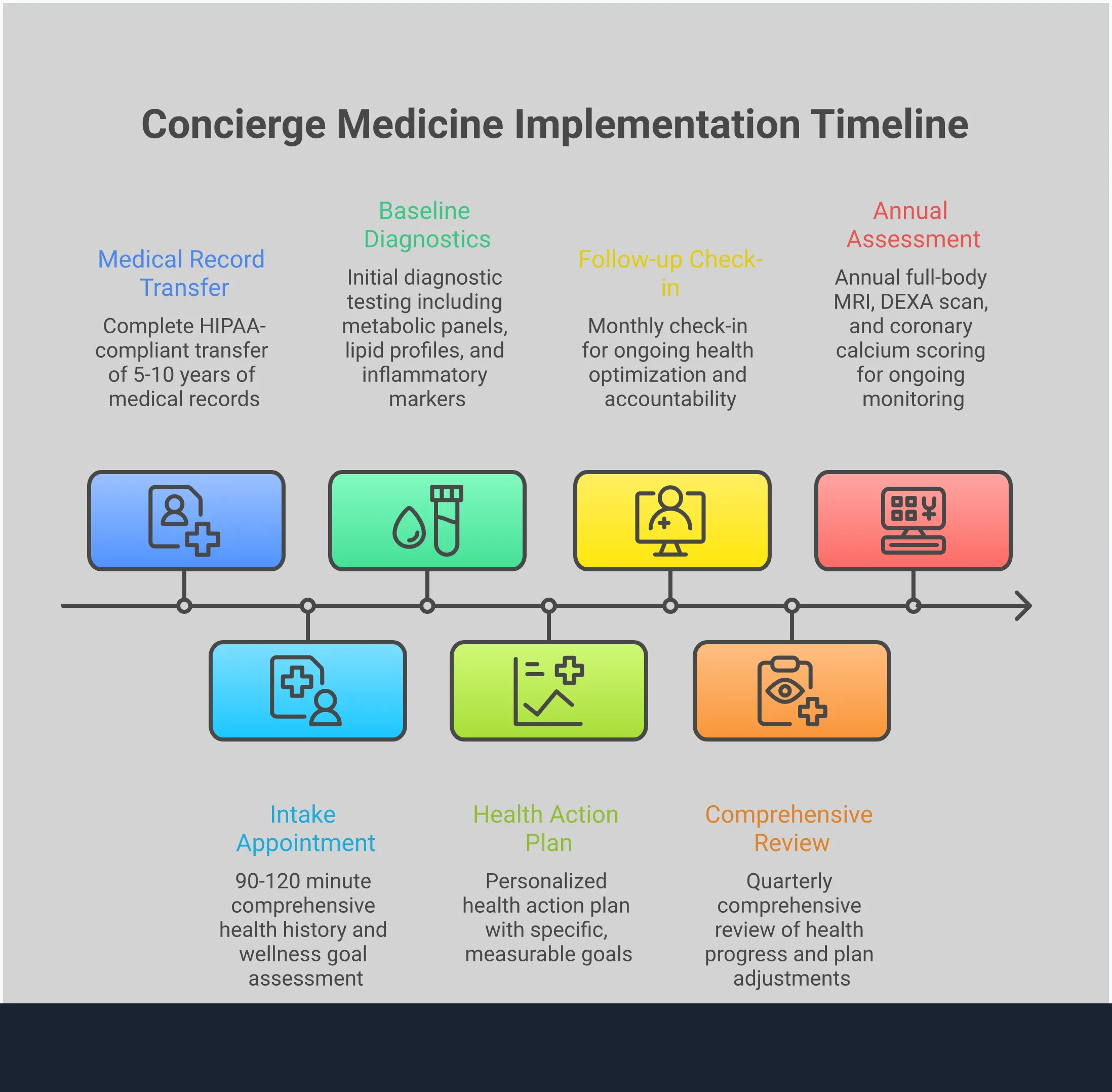
Transitioning to a concierge practice is a deliberate step toward taking control of your health. The process is more straightforward than you might imagine, designed to be as seamless as the care you’ll receive. It begins with choosing a practice that aligns with your wellness goals and ends with establishing a deep, collaborative relationship with a physician who truly knows you. Unlike the often fragmented nature of traditional healthcare, this transition is about consolidating your health story in one place. The focus shifts from paperwork and waiting rooms to meaningful conversations and proactive planning, with a dedicated care team to guide you through each step.
The most immediate change you will notice is the shift in pace and accessibility. Concierge physicians intentionally limit their patient panels, allowing them to dedicate significantly more time and attention to you. Instead of rushed appointments, you can expect comprehensive, unhurried discussions about your health, goals, and lifestyle. You’ll have direct access to your doctor via phone or email, making it easy to get answers when you need them. This model fosters a genuine partnership where your physician becomes a trusted advisor, fully invested in your long-term wellness and equipped to provide truly personalized care.
Your new concierge practice will handle the logistics of gathering your complete health history. The process begins once you’ve signed the necessary consent forms, which give your new doctor permission to request records from your previous providers. Under the Health Information Portability and Accountability Act (HIPAA), you have a right to access your medical records, and your new team will manage these requests on your behalf. This isn't just an administrative task; it's the foundational step in building your complete health profile. By consolidating your past lab results, imaging, and clinical notes, your physician gains the comprehensive insight needed to map out your personalized path to optimal health.
Deciding on a concierge doctor often comes down to a single question: Is it worth the cost? The answer depends on how you define "worth." If you view healthcare as a reactive service for when you're sick, the traditional model may seem sufficient. But if you see your health as your most critical asset—one that deserves proactive management and a personalized strategy—then concierge medicine presents a compelling value. It’s an investment in your long-term well-being, not just an expense for immediate care.
The core value of this model is the shift from reactive treatment to proactive health optimization. In the conventional system, the average wait for a primary care appointment can stretch for weeks, allowing minor concerns to potentially become major problems. Concierge practices eliminate this barrier, offering guaranteed same-day or next-day appointments that prioritize prevention. This enhanced access is fundamental to a healthcare approach that aims to keep you well, not just treat you when you're ill. It’s about building a partnership with a physician who has the time and resources to understand your unique biology and help you chart a course for a longer, healthier life.
Ultimately, choosing concierge medicine is a personal decision based on your priorities. It requires a financial commitment, but in return, you gain a dedicated partner in your health journey—a physician who knows your story, understands your goals, and uses advanced insights to guide your path to sustainable wellness. If you are ready to move beyond the limitations of traditional healthcare and invest in a more personalized, forward-thinking approach, it may be time to explore your options.
Does the membership fee replace my health insurance? No, the two work in tandem. Your membership fee covers the direct, personalized care and enhanced access you receive from your physician. You will still need a health insurance plan to cover external costs like specialist consultations, hospital stays, prescription medications, and advanced imaging.
What happens if I need to see a specialist or be hospitalized? Your concierge physician acts as your dedicated health advocate. We manage referrals to top specialists and coordinate directly with their offices to ensure your care is seamless and aligned with your overall health strategy. This removes the burden of navigating the system on your own and ensures your entire care team is on the same page.
Is concierge medicine only for people with existing health problems? Not at all. In fact, the core of this model is proactive wellness. It is designed for anyone who wants to move beyond reactive treatment and focus on optimizing their health for the long term. By using advanced diagnostics and in-depth planning, we aim to identify potential issues and create a strategy to keep you healthy, not just treat you when you're sick.
Will I still have copays for my appointments? Generally, no. Your membership fee covers your visits with your primary concierge physician, so you typically will not have a copay for those appointments. You will still be responsible for any copays, deductibles, and coinsurance for services outside the membership, such as visits with specialists or lab work that is billed through your insurance plan.
What if I need medical advice while I'm traveling? This is one of the key benefits of the concierge model. Because you have direct access to your physician, you can often connect with them by phone or virtual consultation, no matter where you are. This provides peace of mind and continuity of care, ensuring you can get trusted guidance from the doctor who knows your health history best, even when you're away from home.